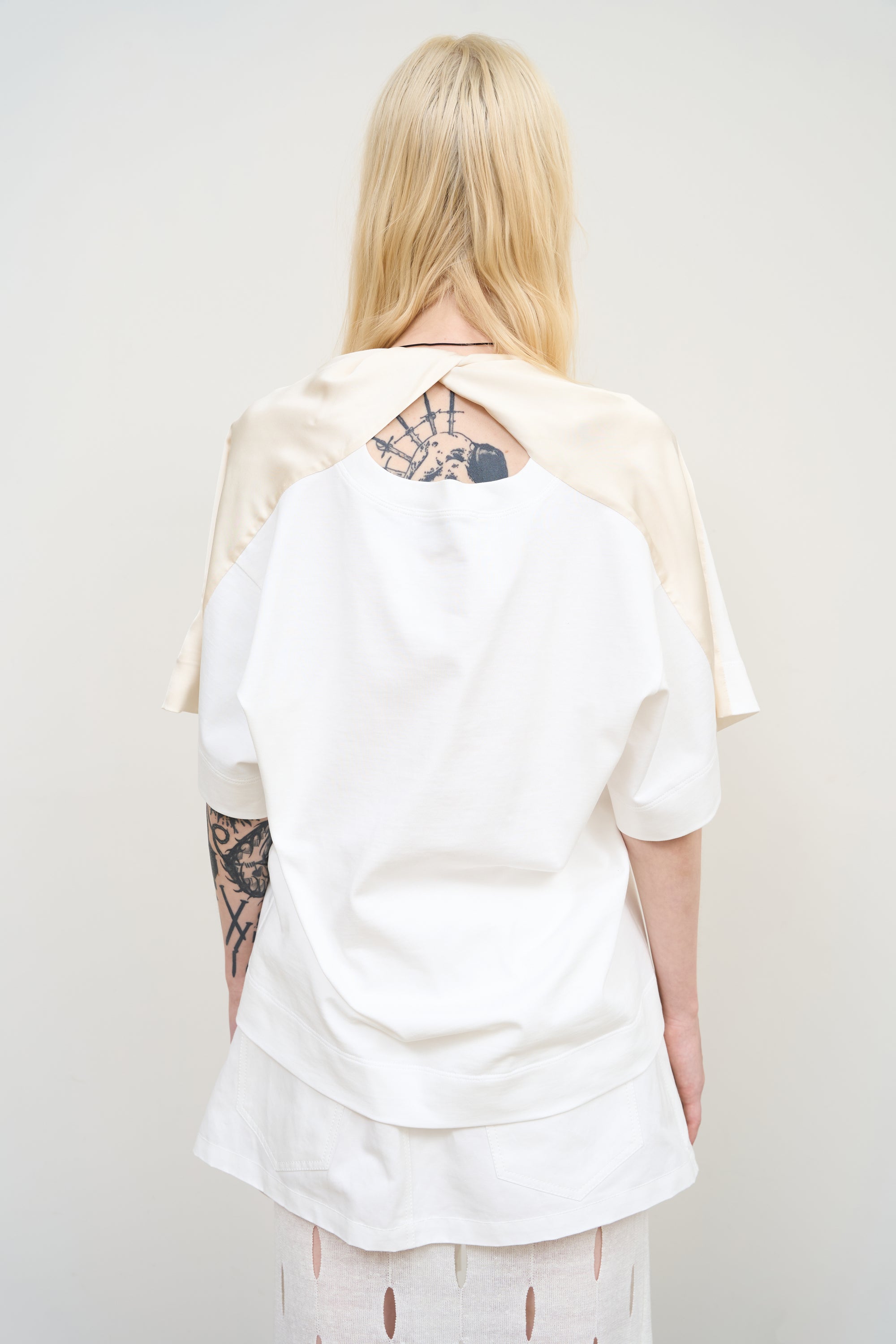
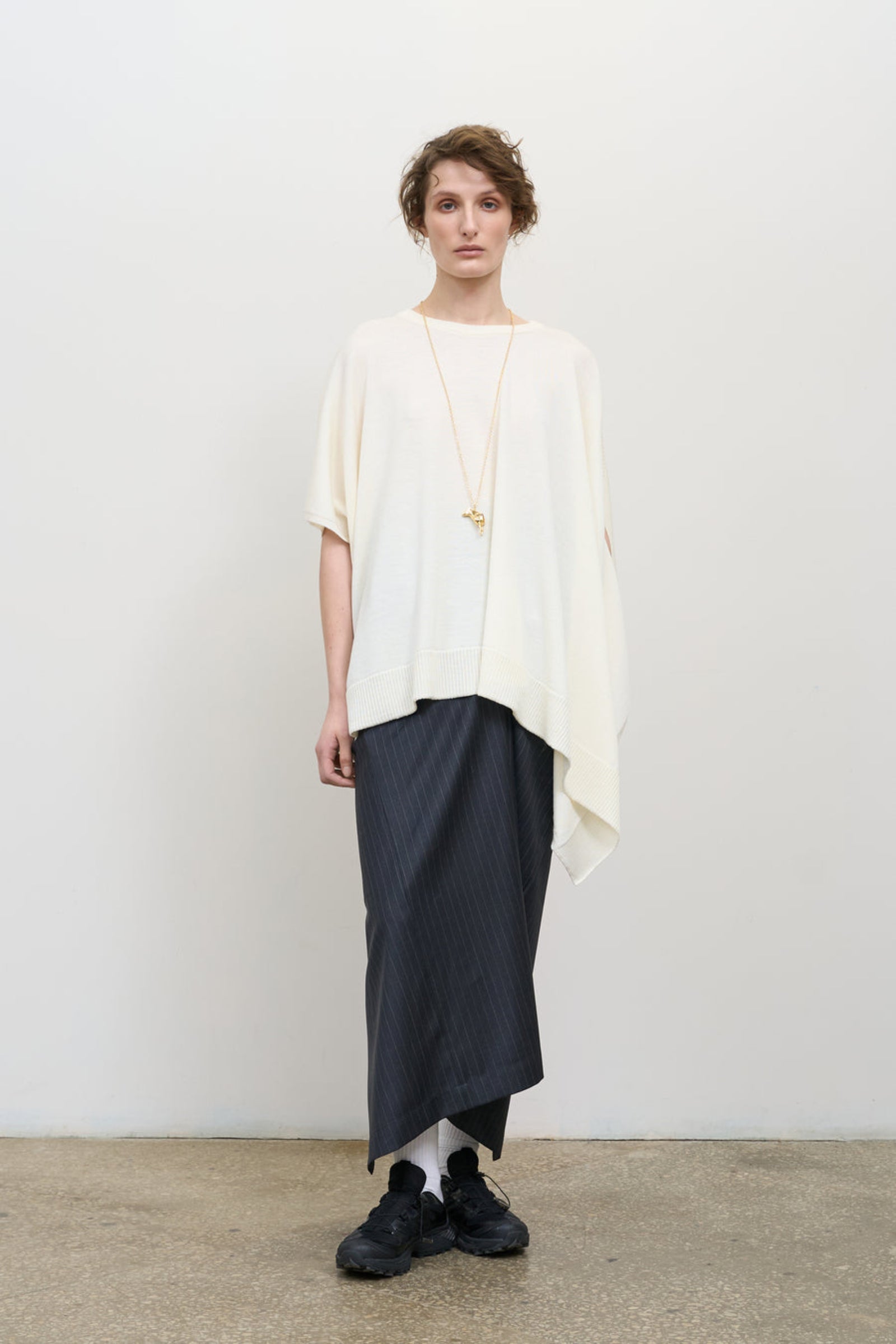
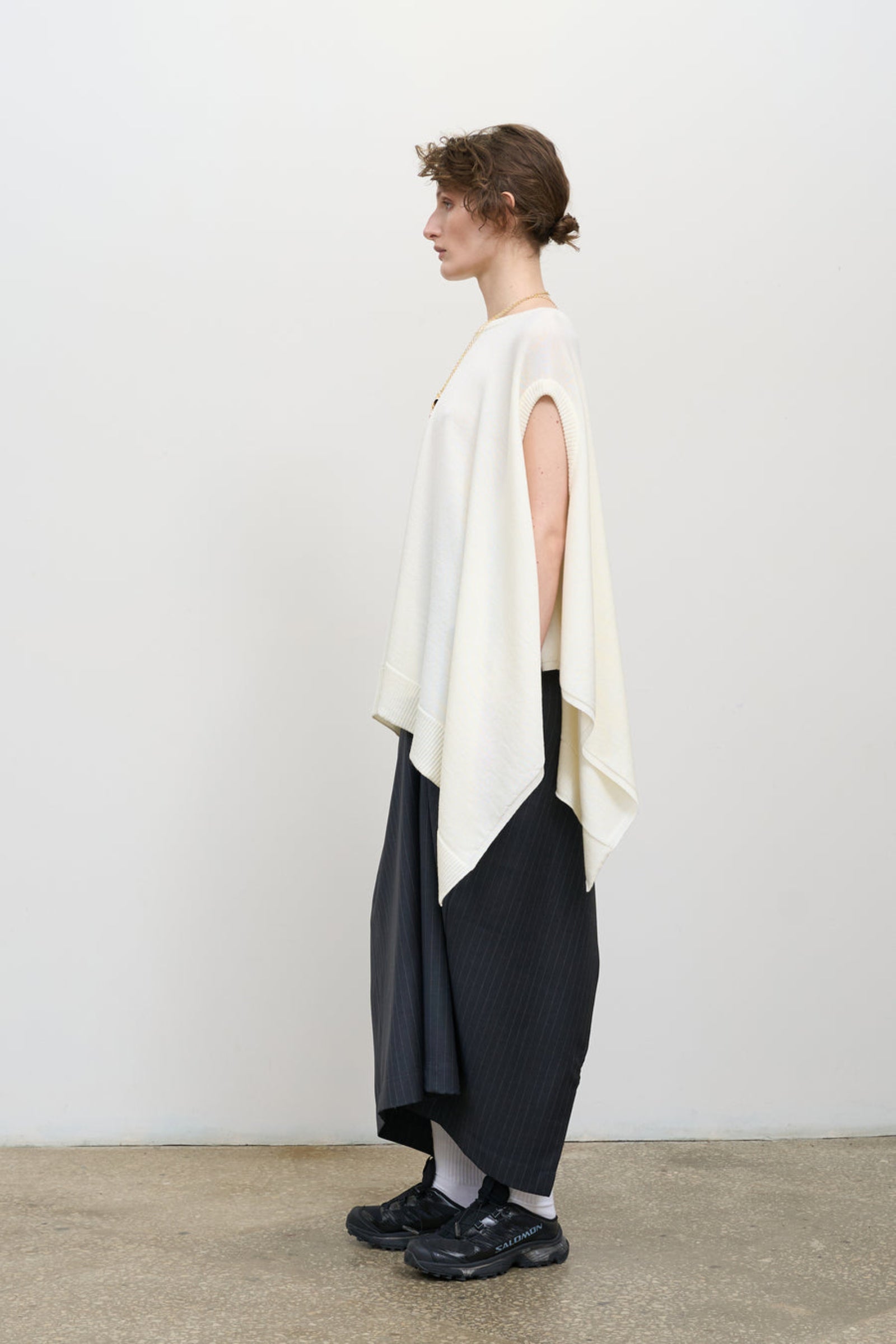
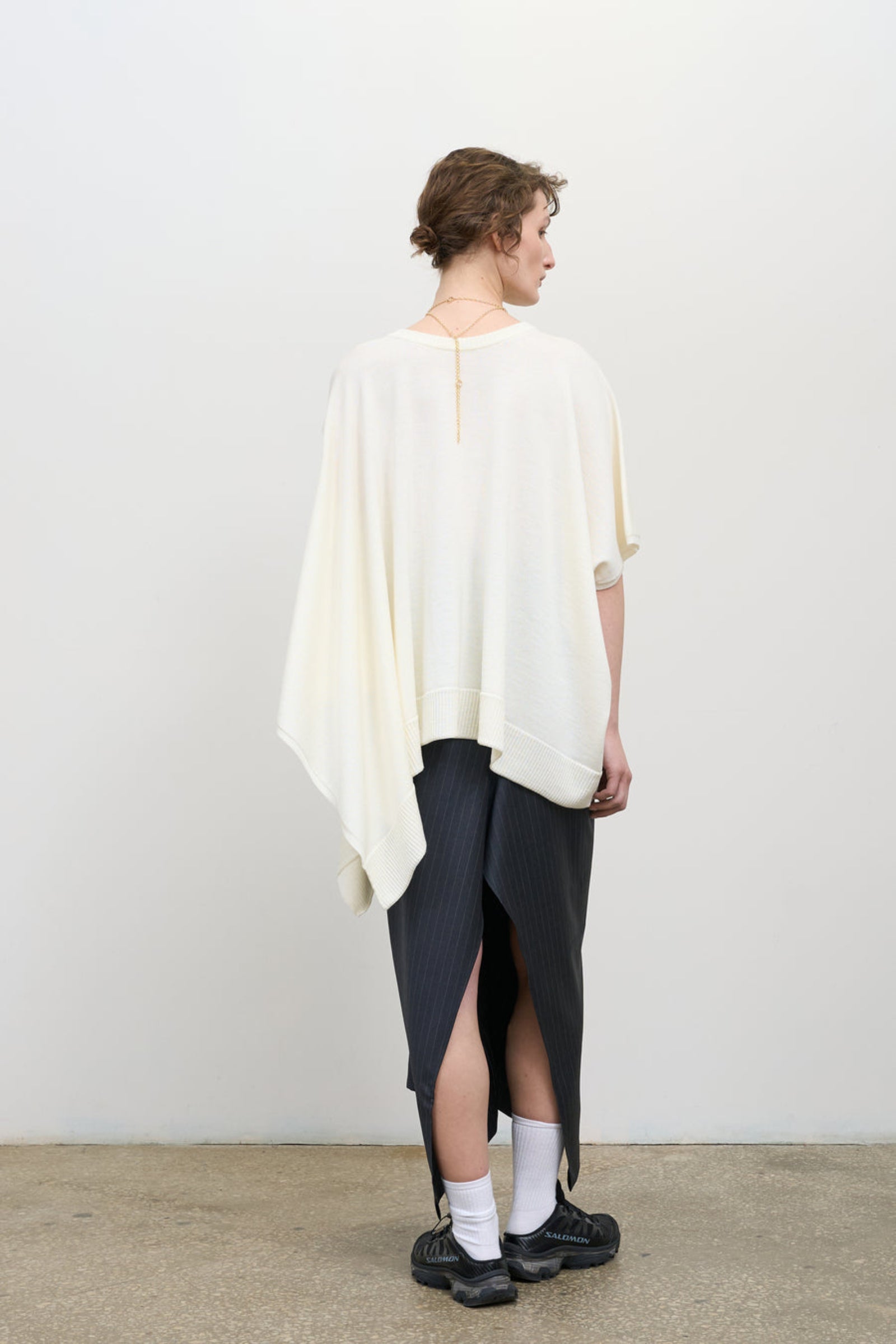
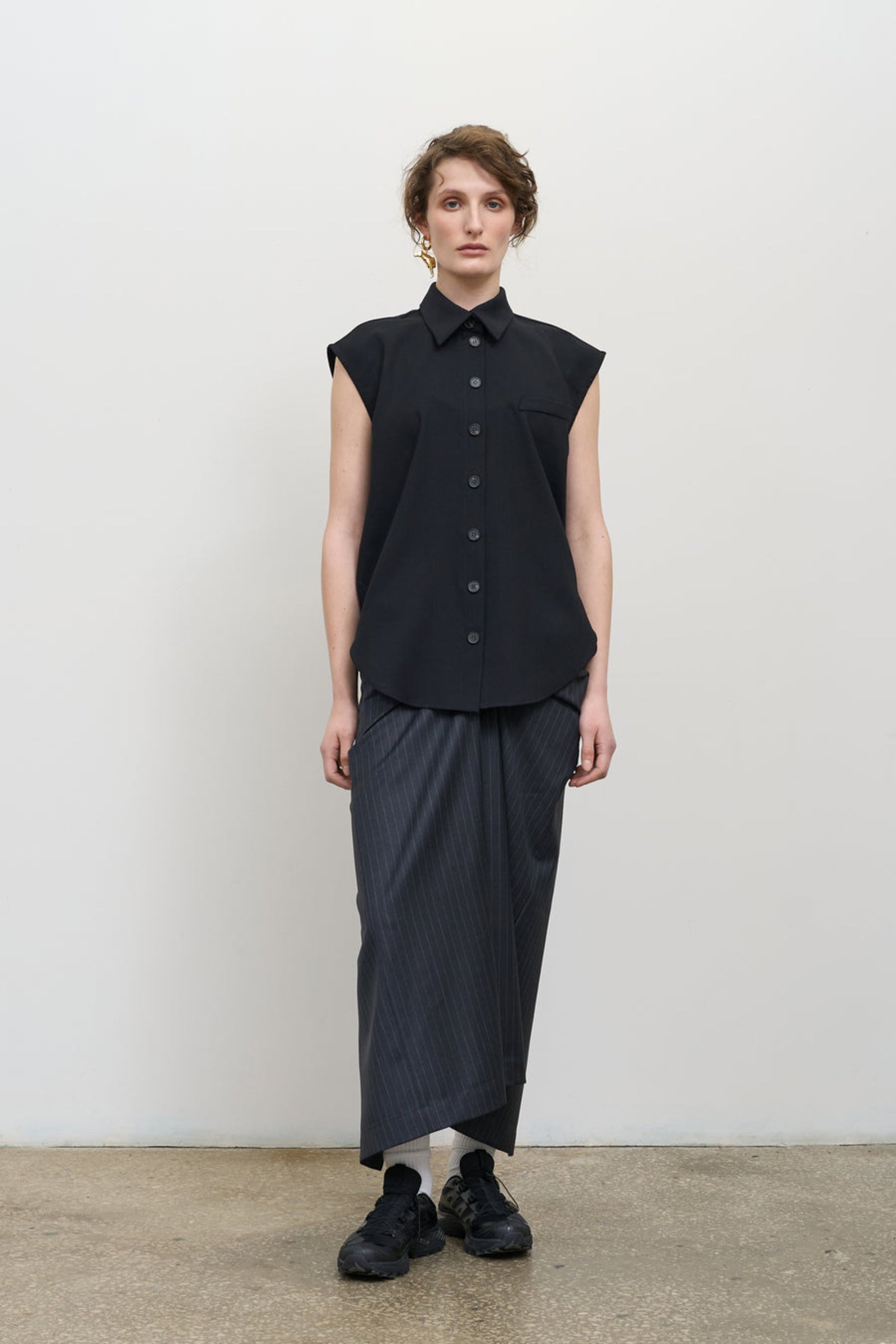
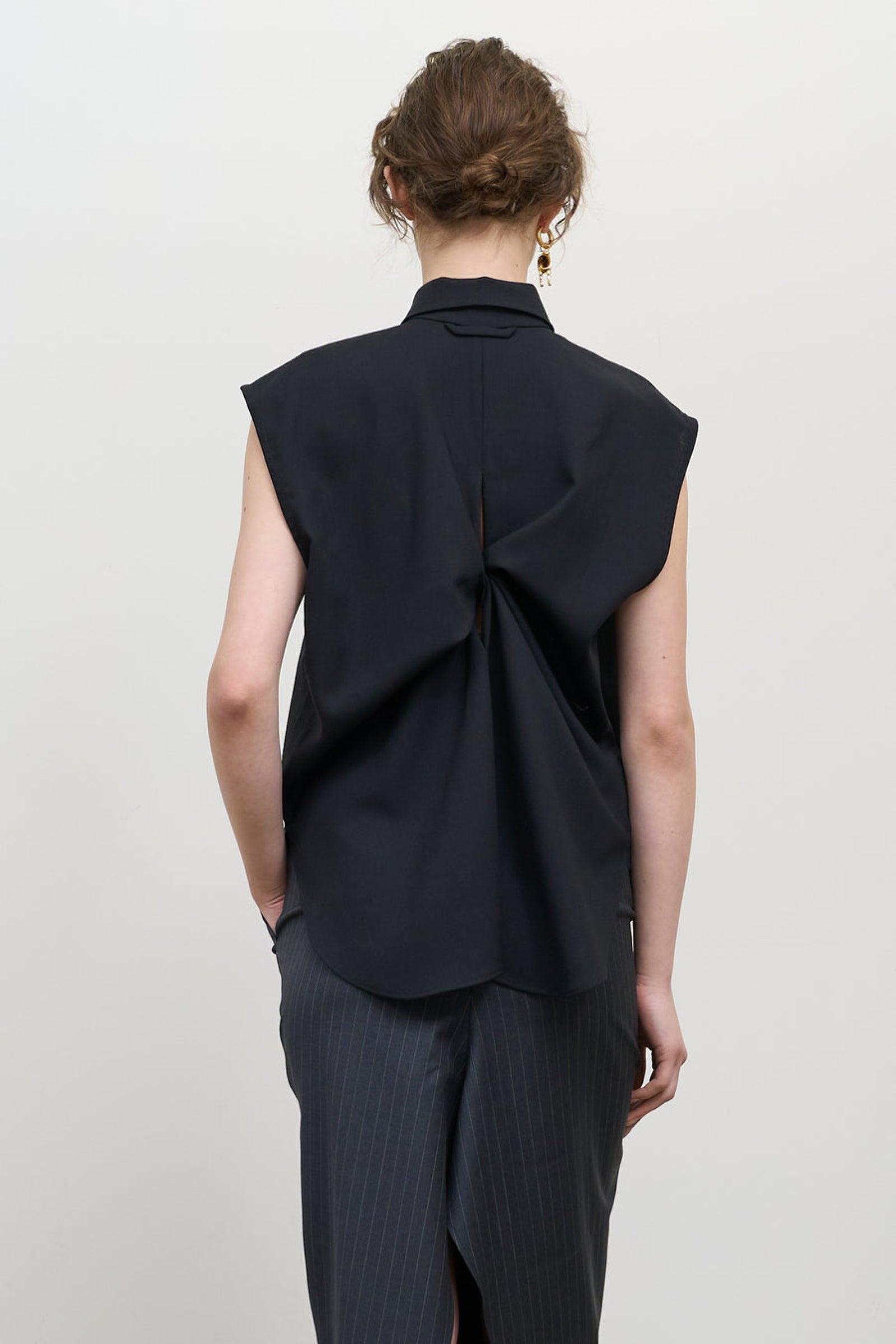
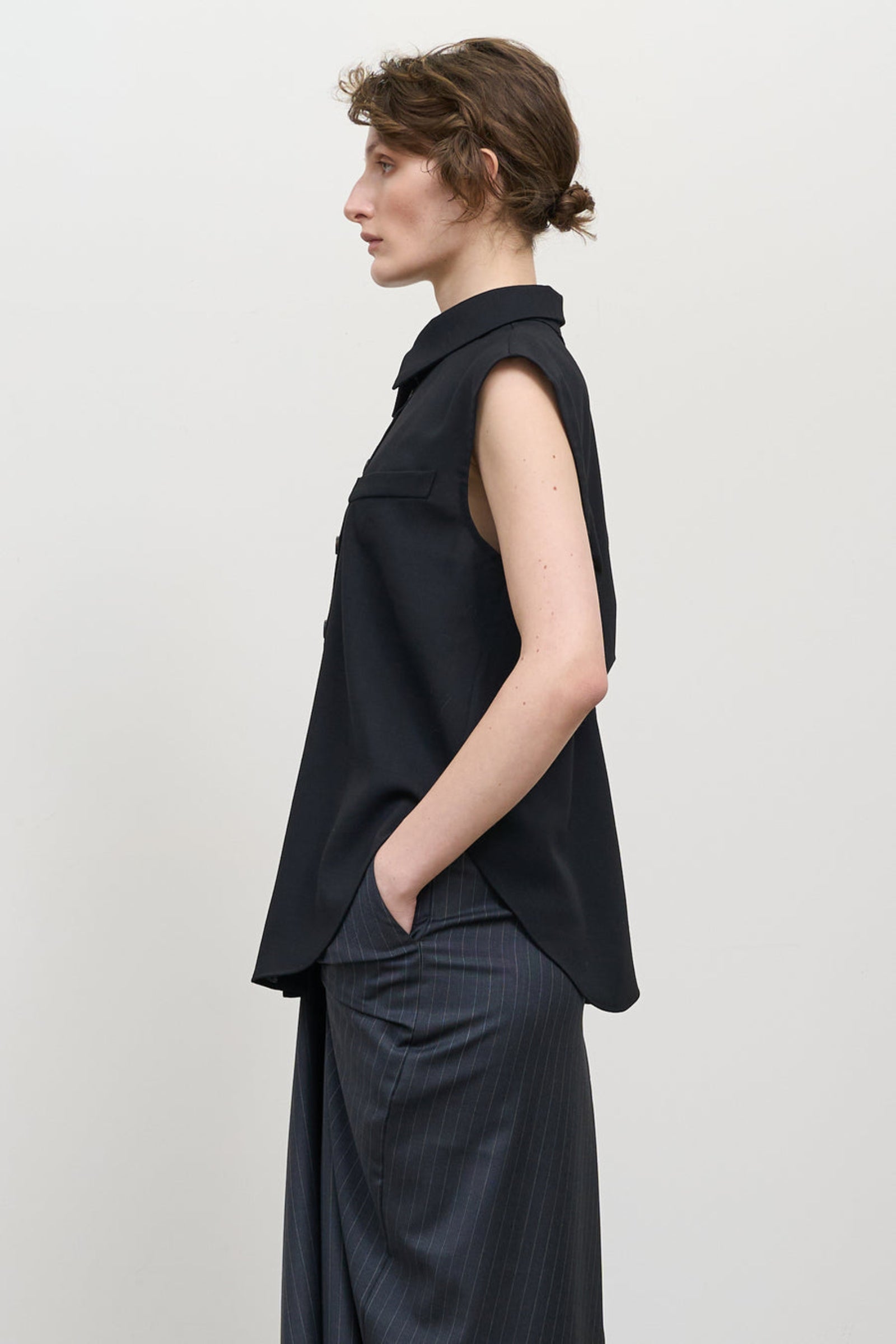
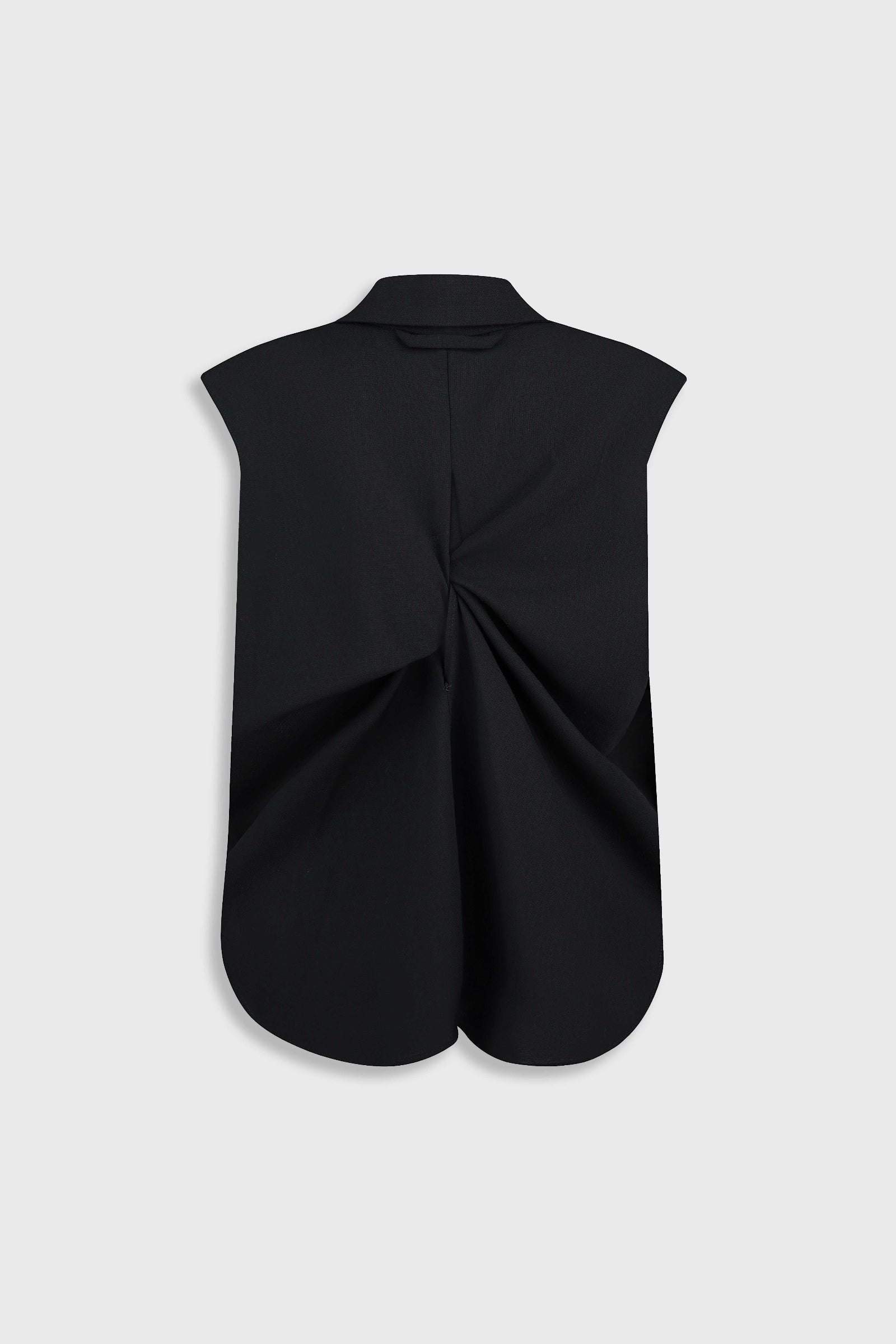
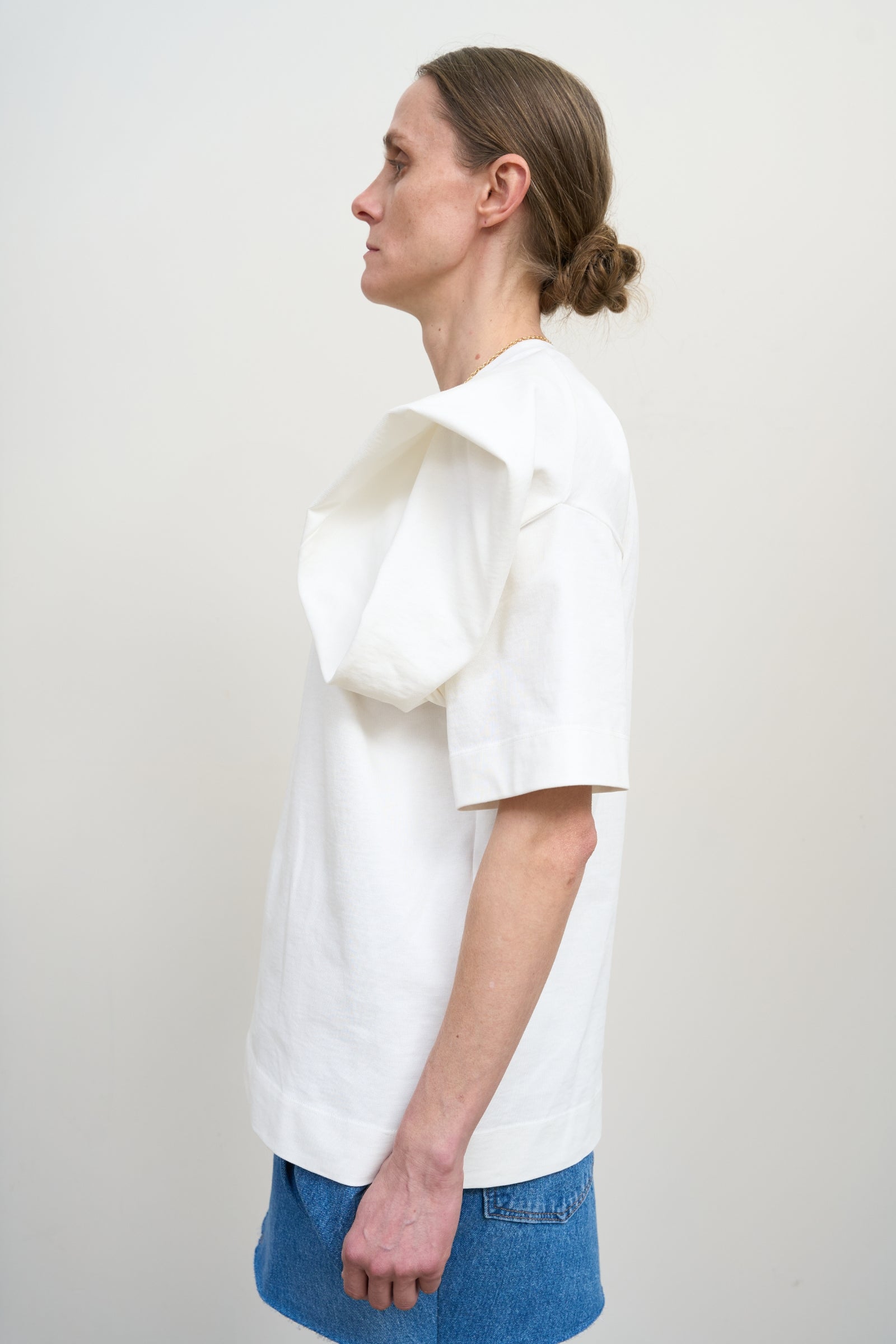
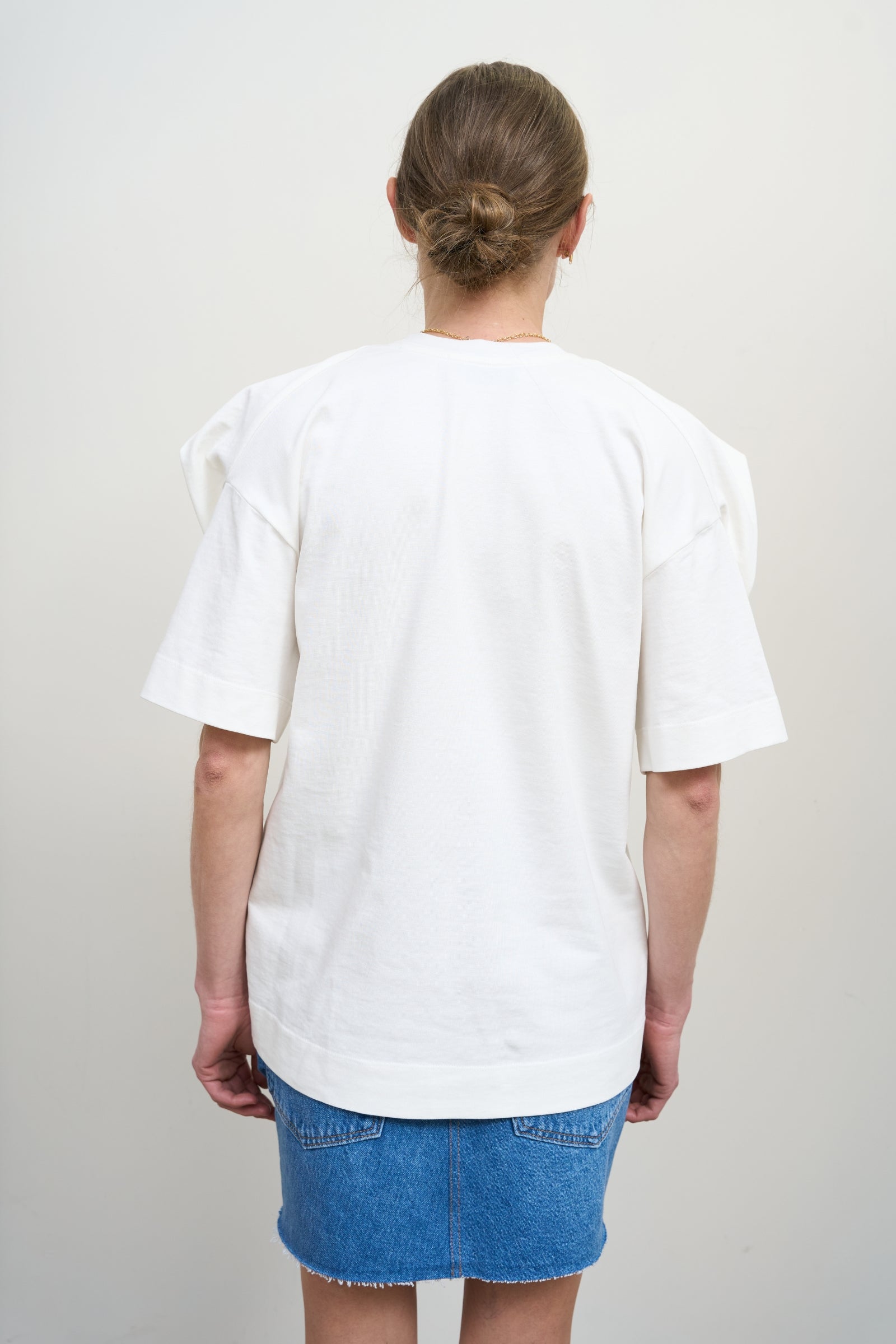
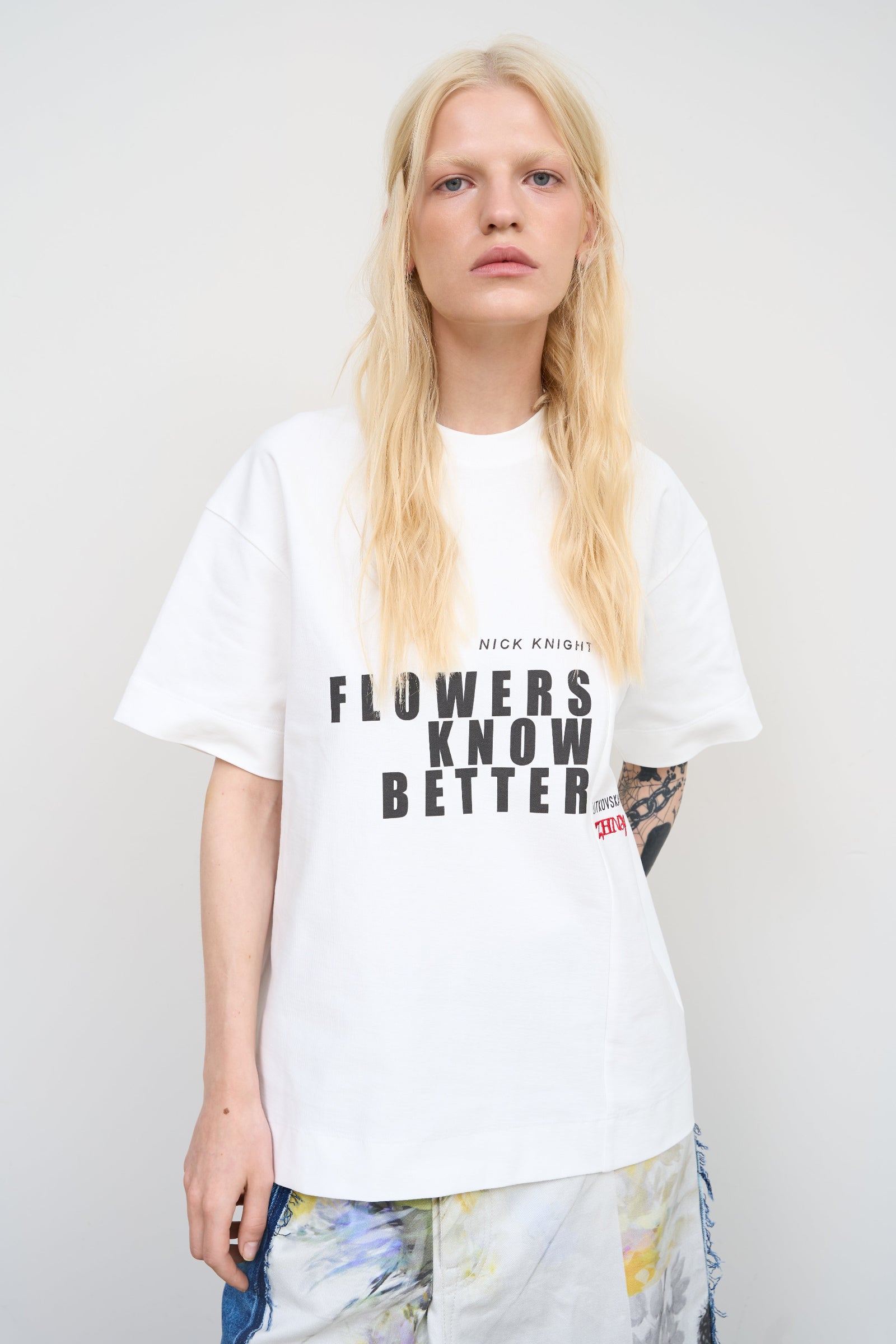
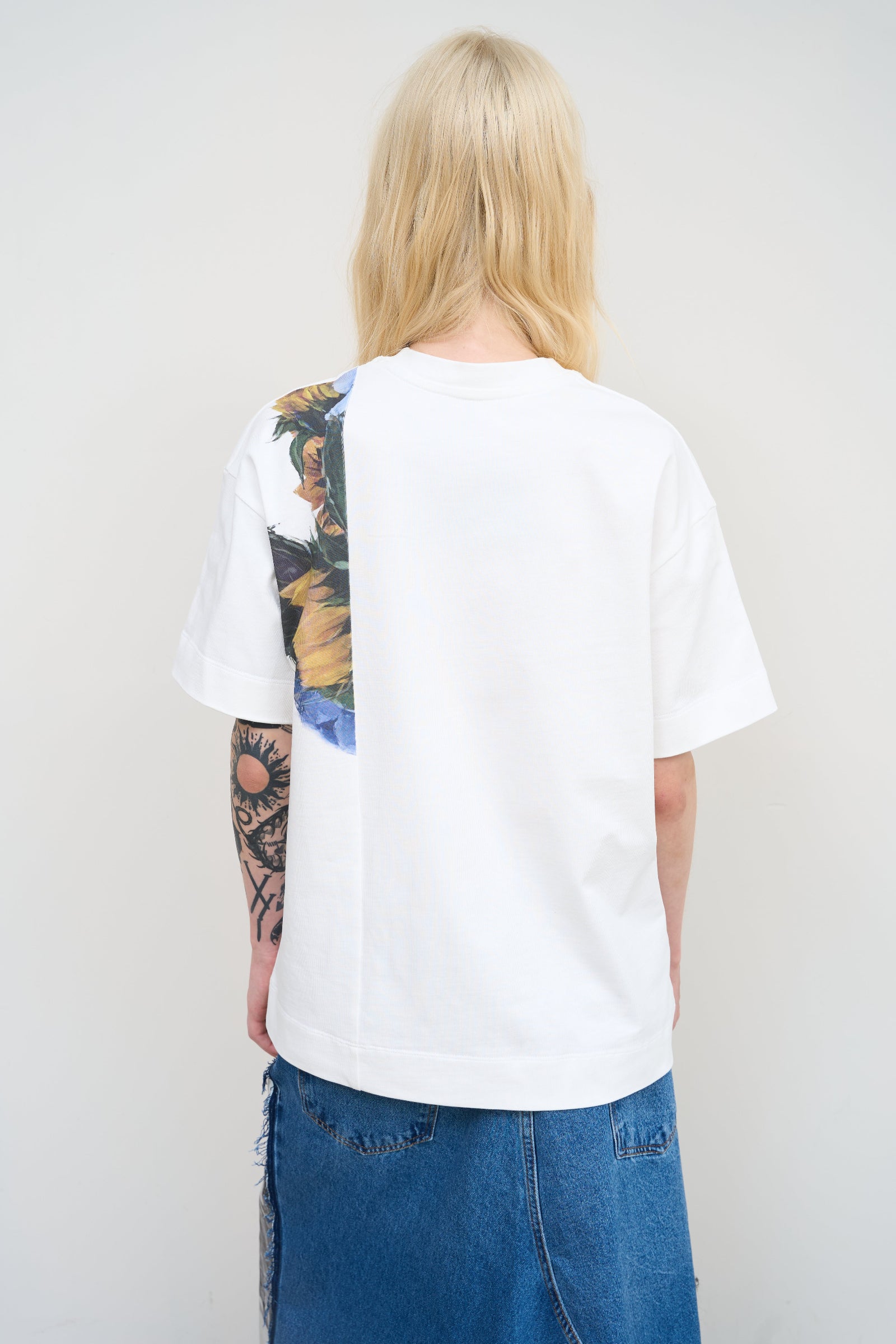
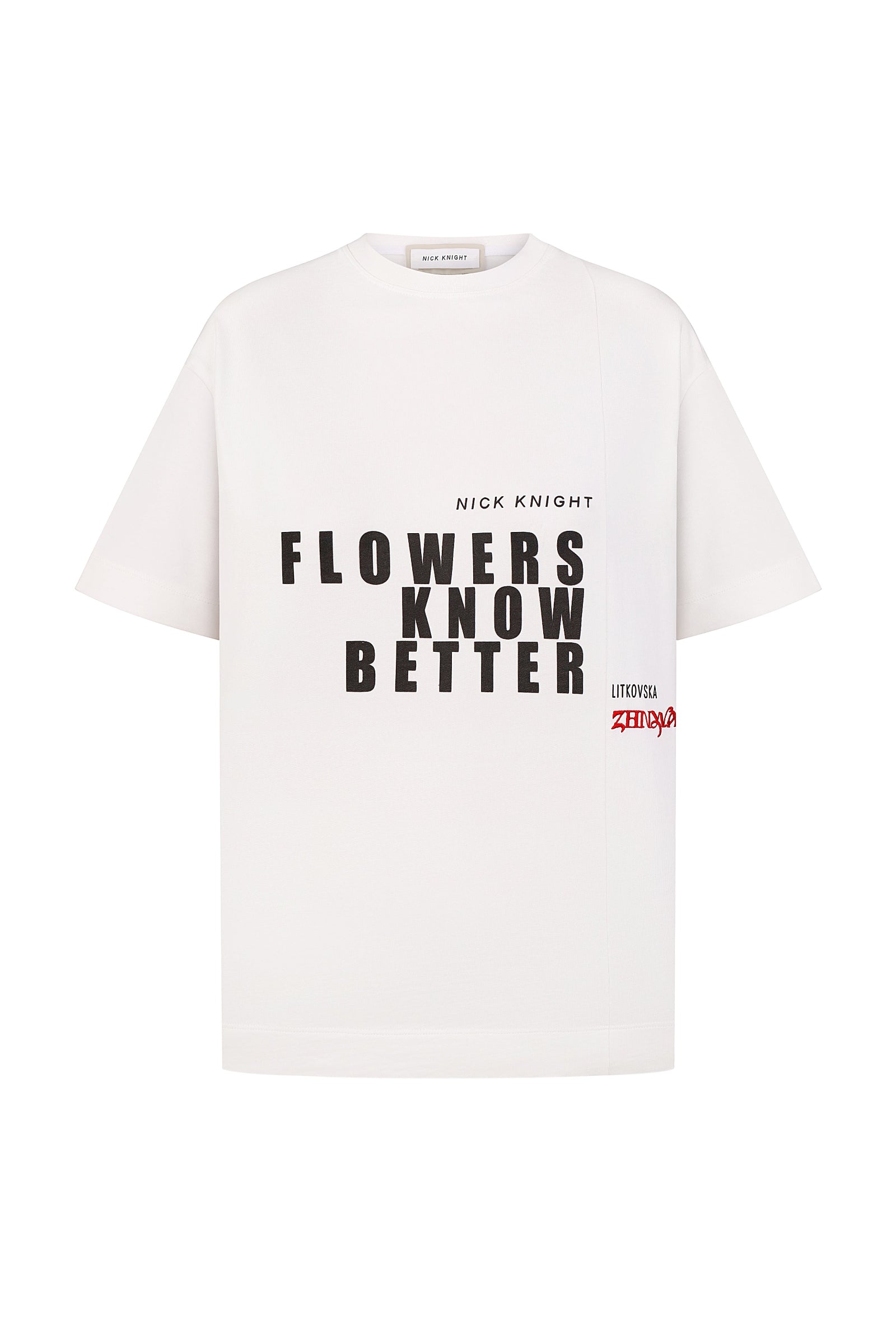
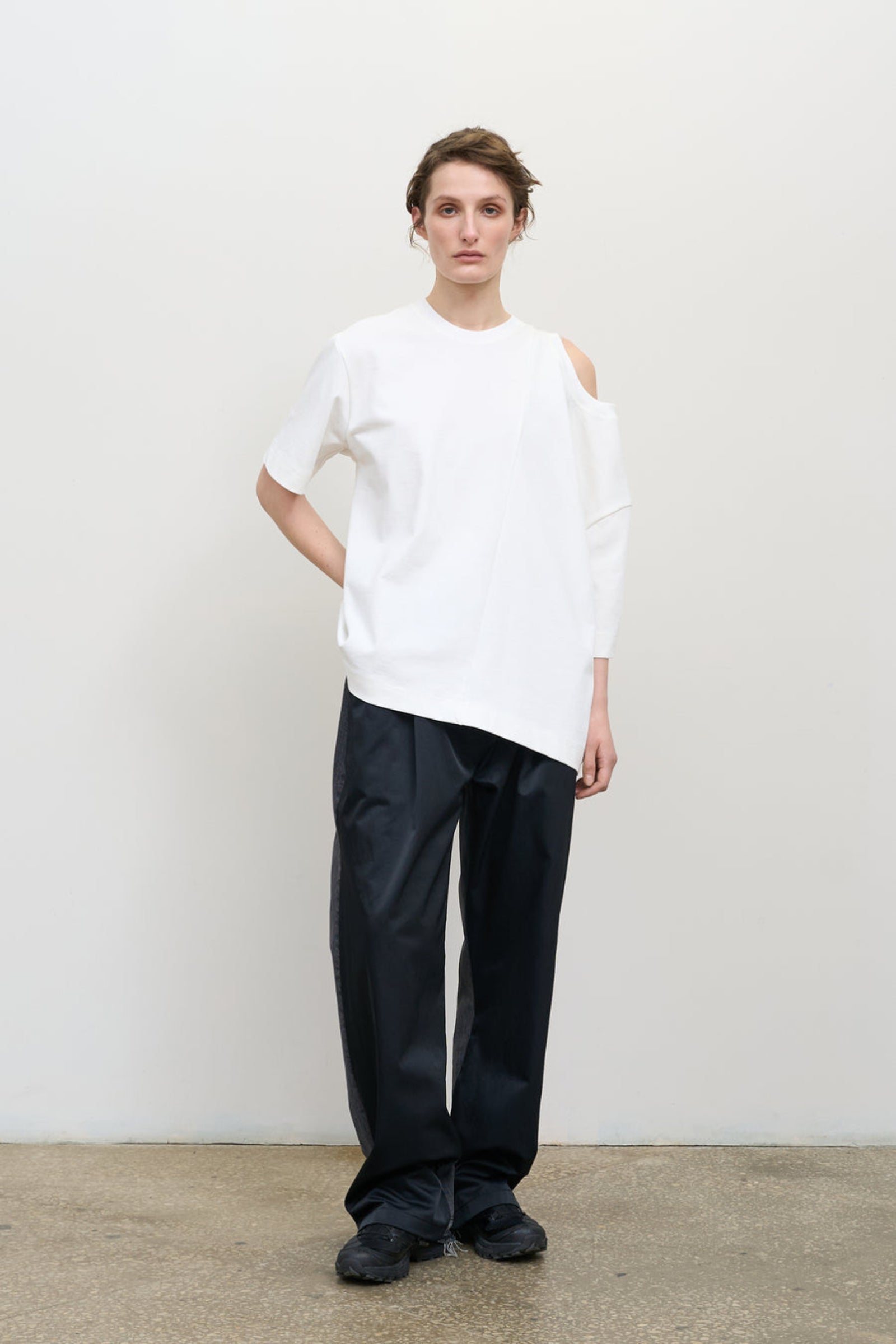
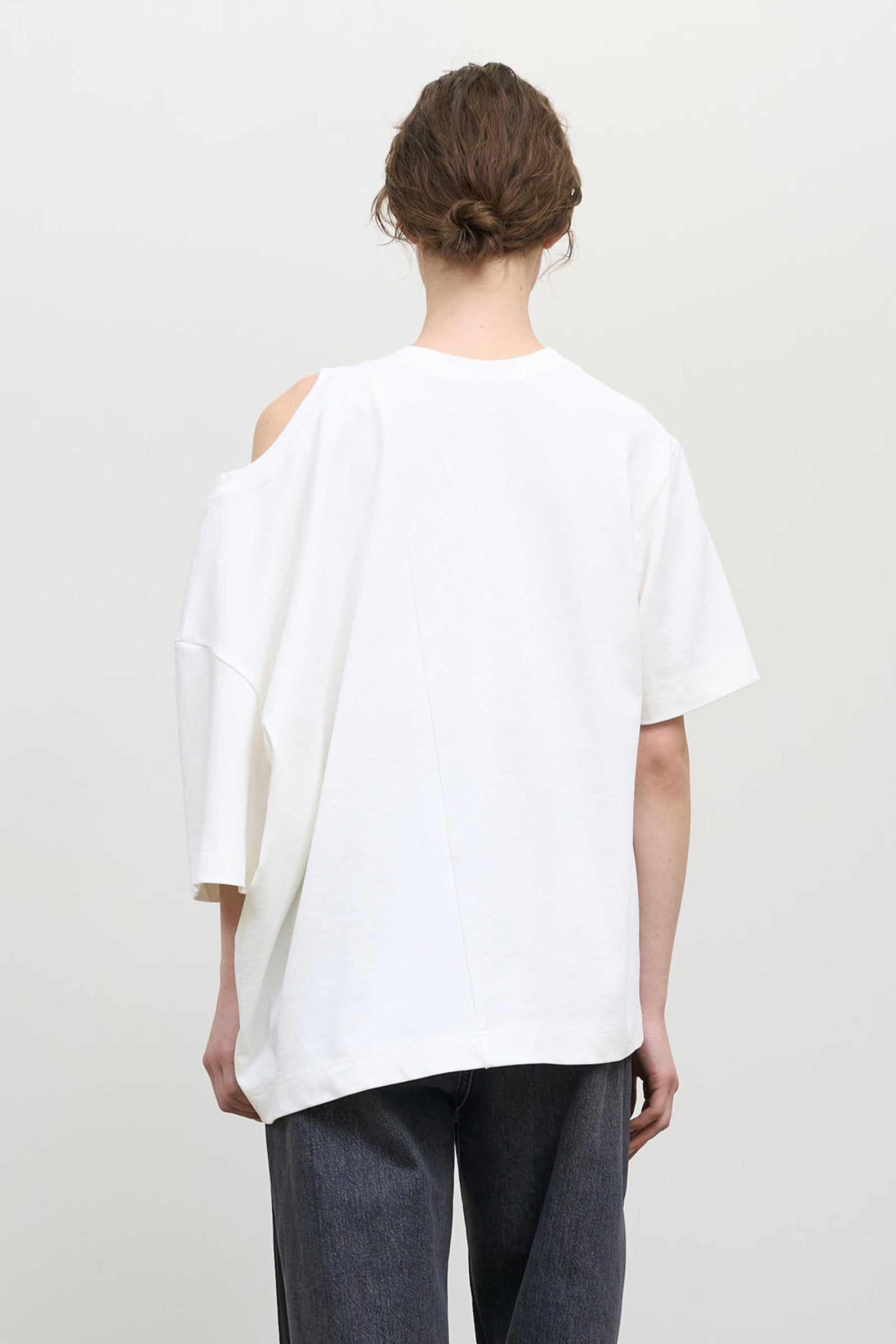
A T-shirt may look like the simplest part of an outfit, but its familiar construction leaves room for change. LITKOVSKA works with this form through shifted necklines, asymmetric panels, layered sections and unexpected openings. The same approach extends to designer tops for women, where fabric and cut define the shape before any styling is added.
T-Shirts and Designer Tops in the Collection
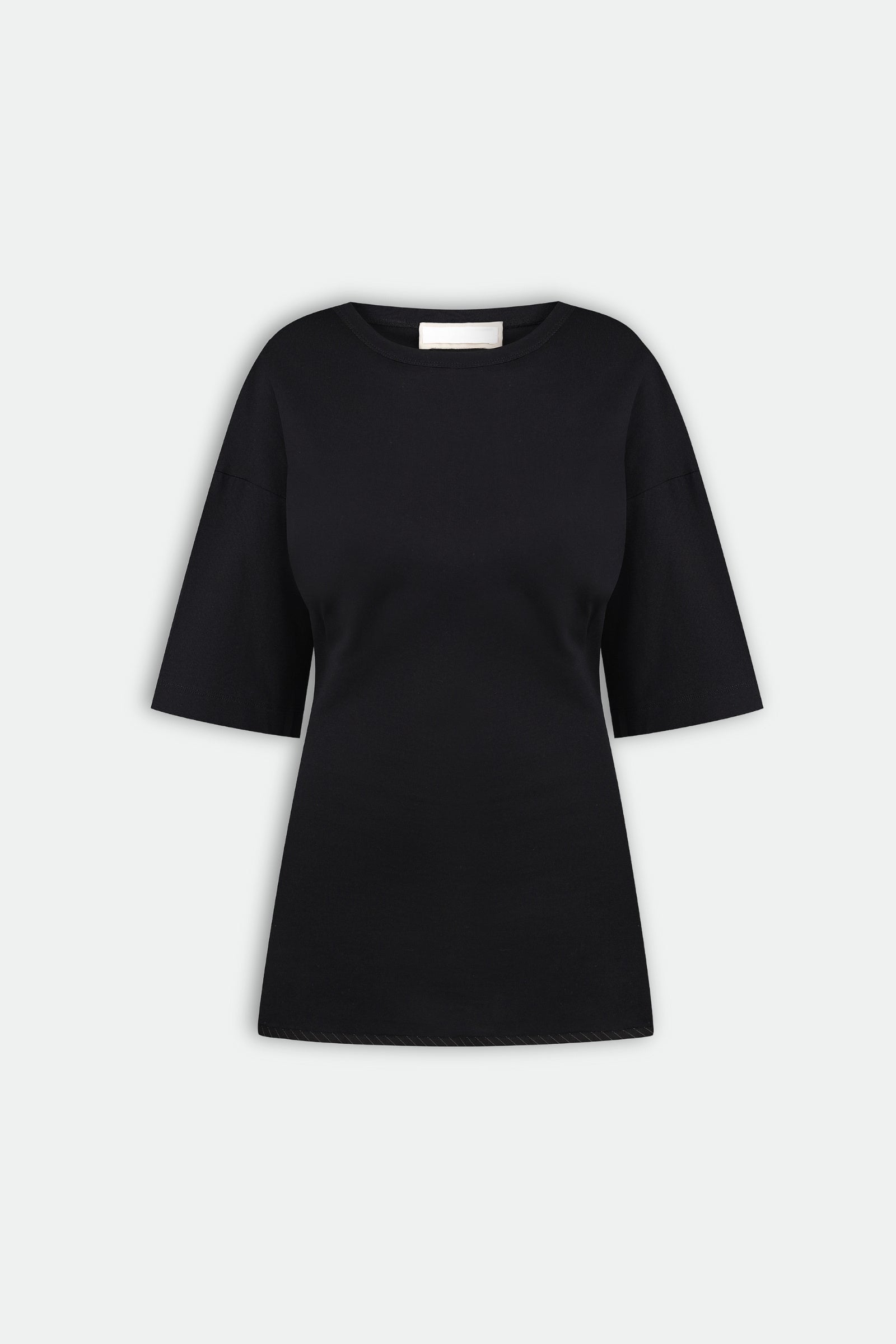
The collection ranges from cotton T-shirts and fitted tank tops to cropped styles, camisoles, bustiers and vests. Some pieces stay close to the original outline. Others add enough volume and structure to change the proportions of the outfit.
A fitted top follows the body and keeps the waist visible. Cropped models shorten the upper line, changing the relationship between the top and trousers or skirts. Longer and layered tops extend beyond the natural waist and alter the vertical line of the outfit.
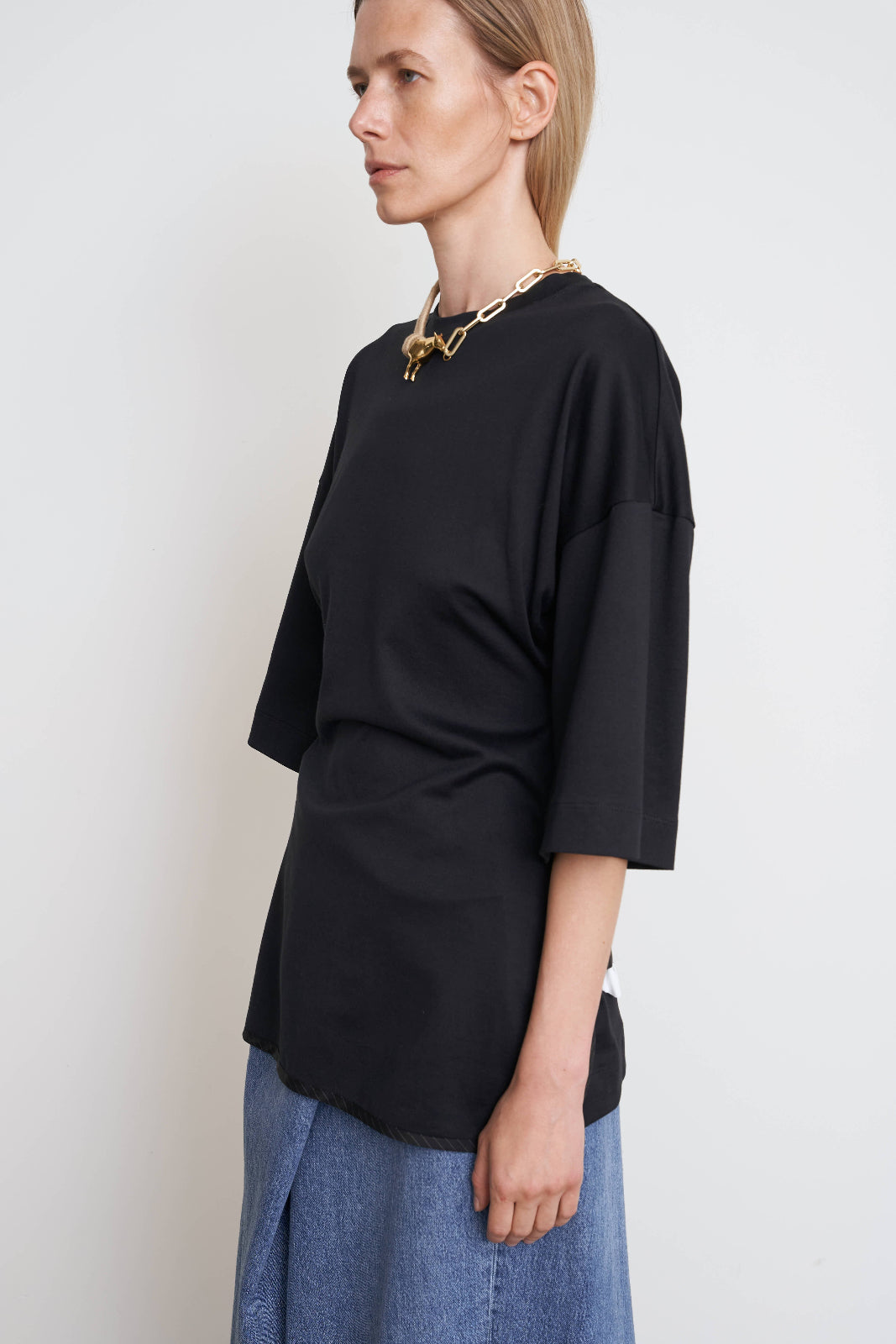
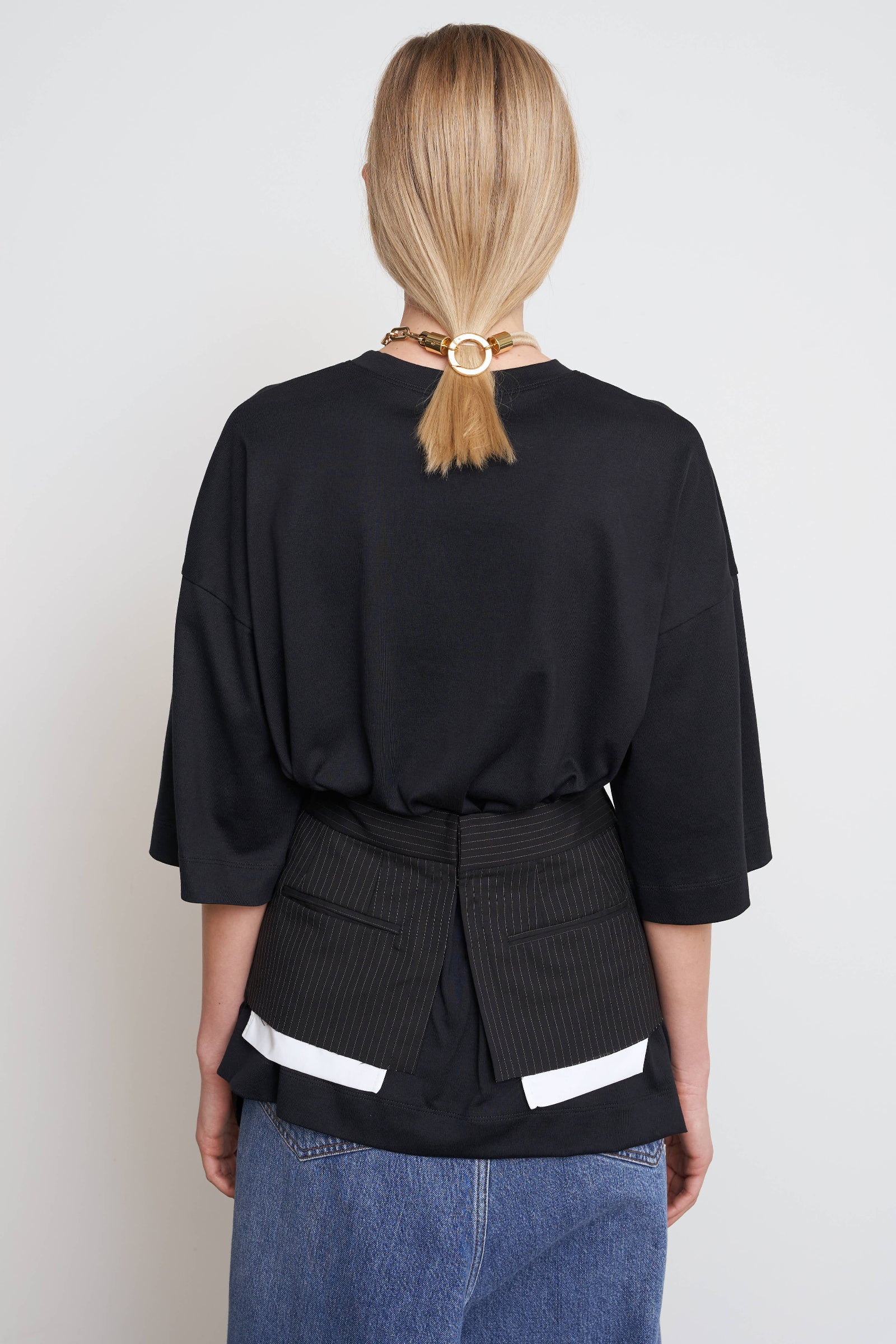
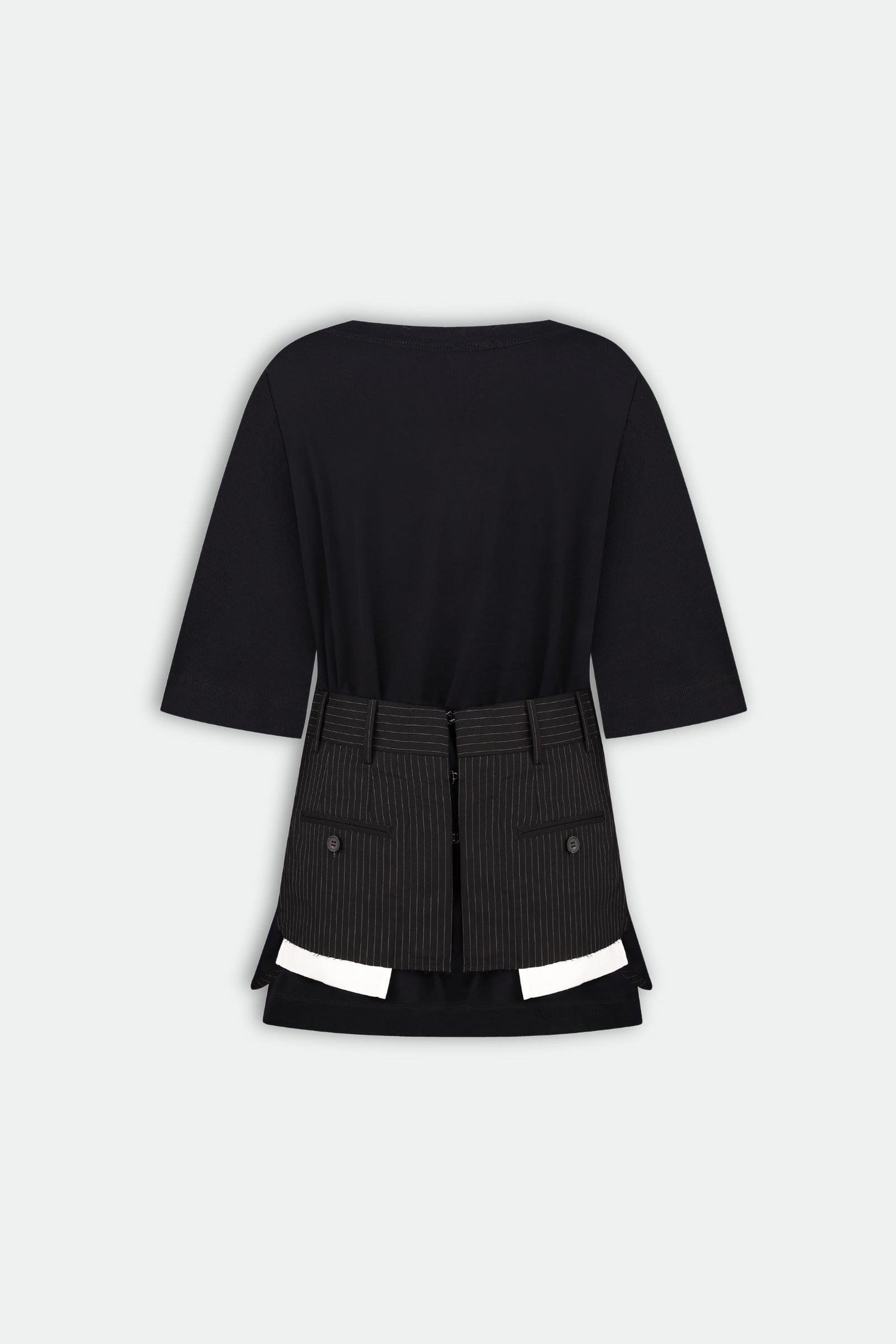
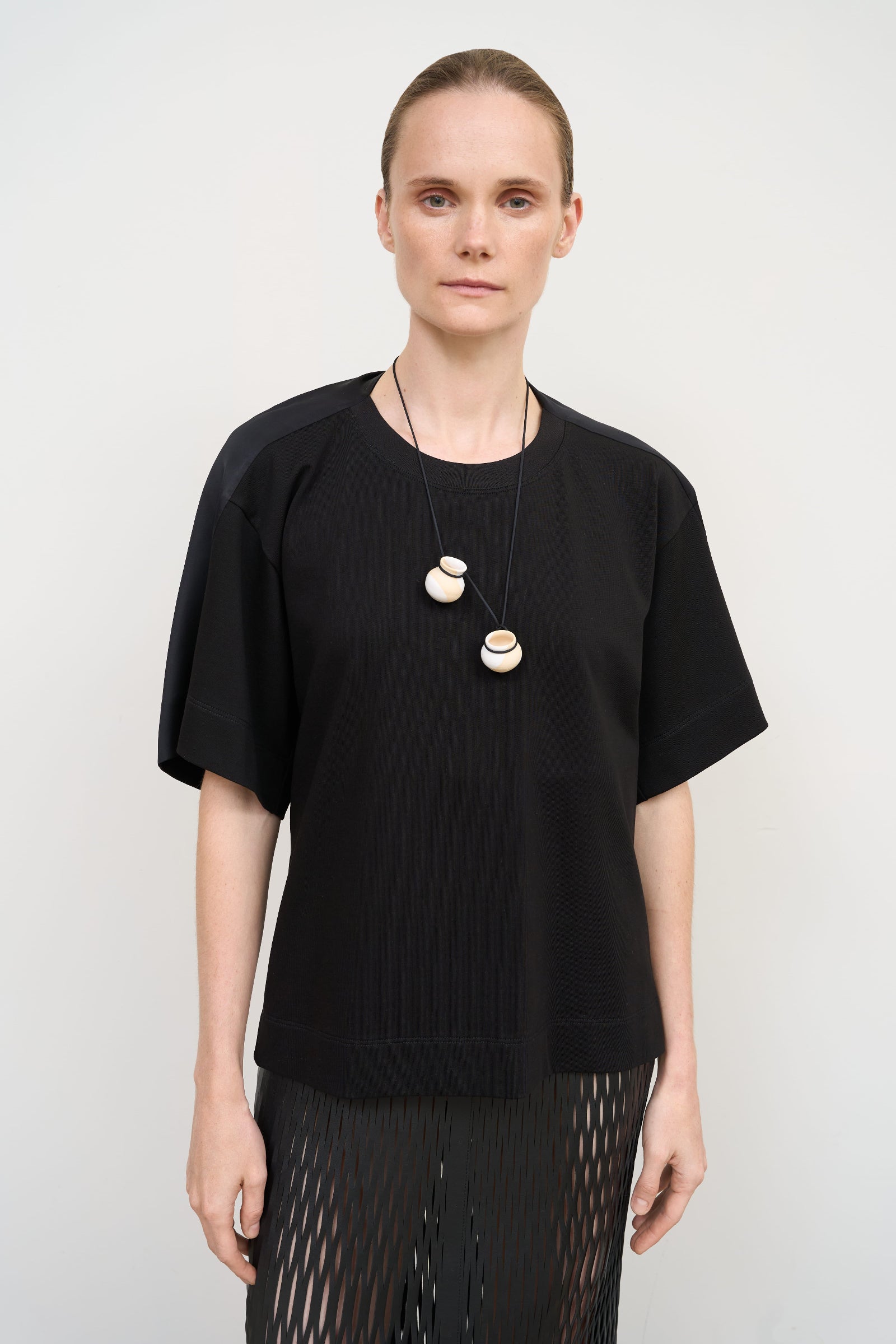
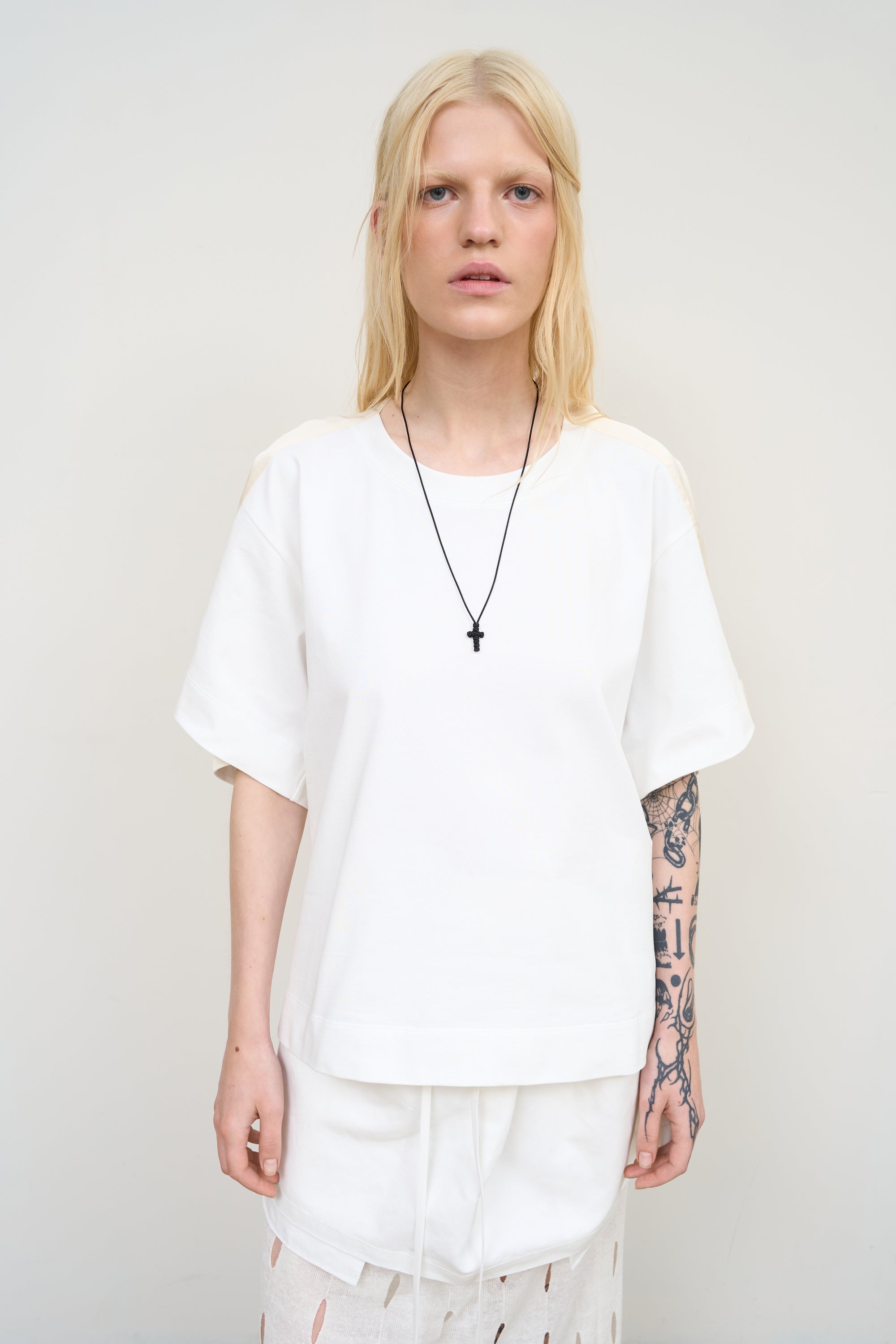
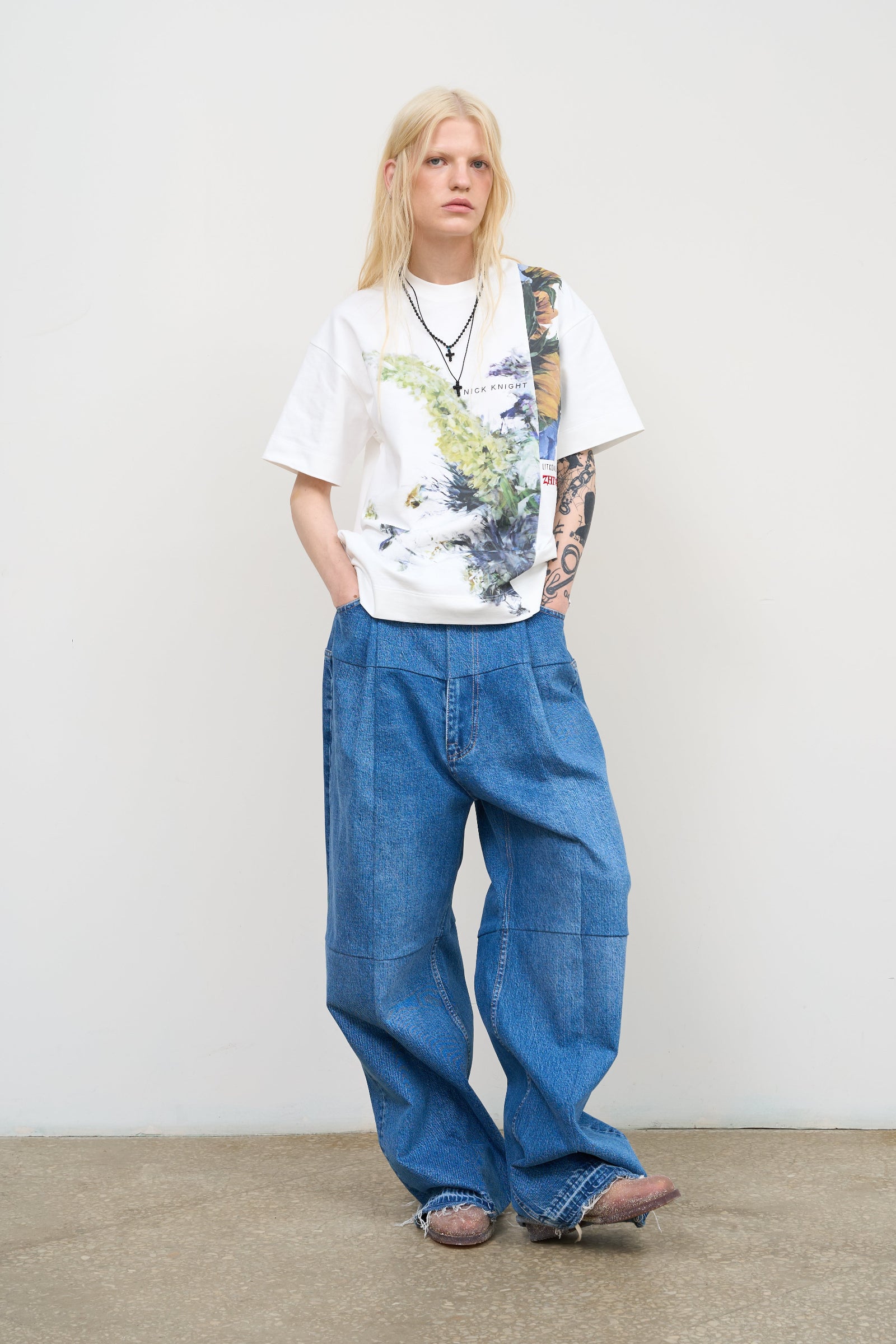
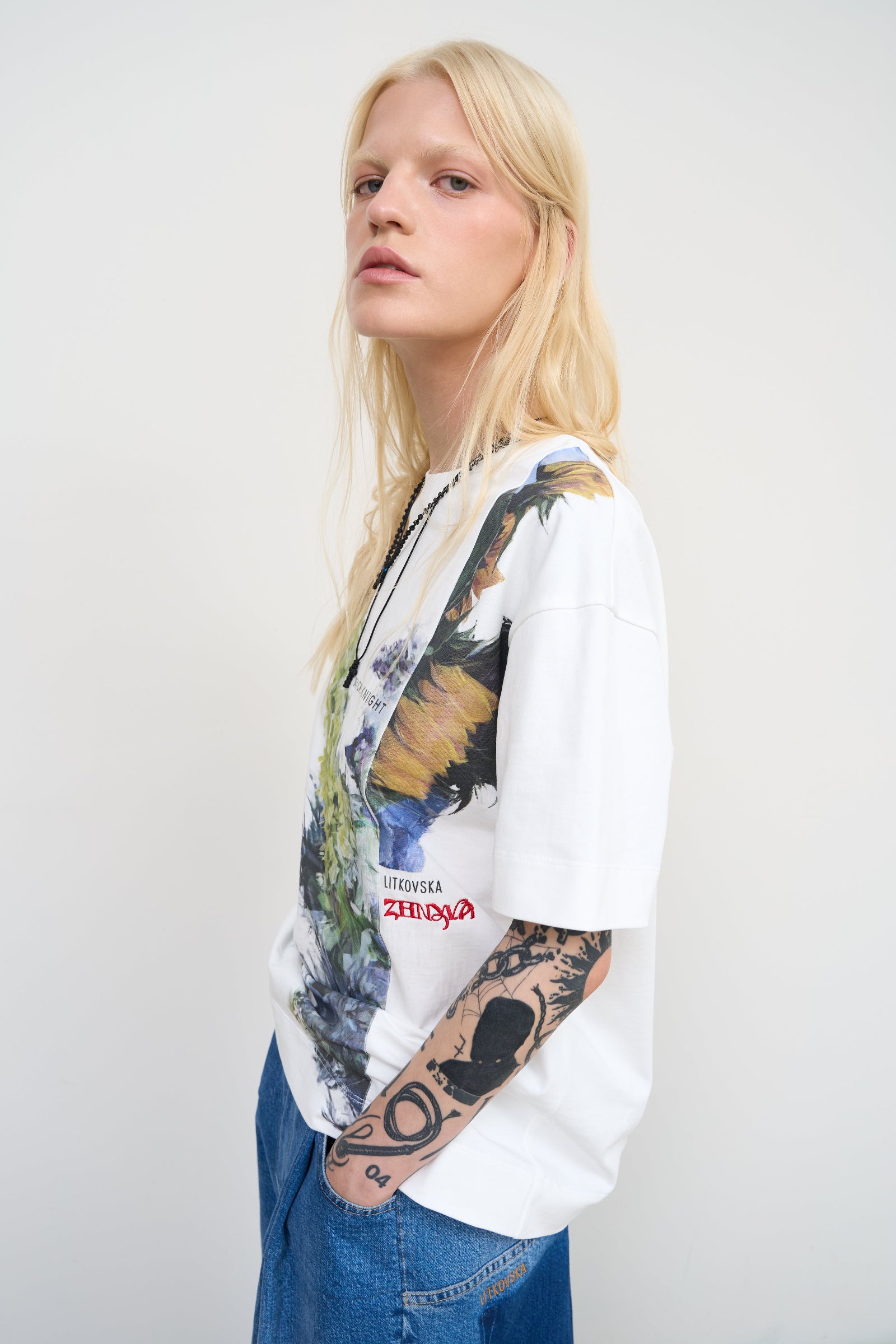
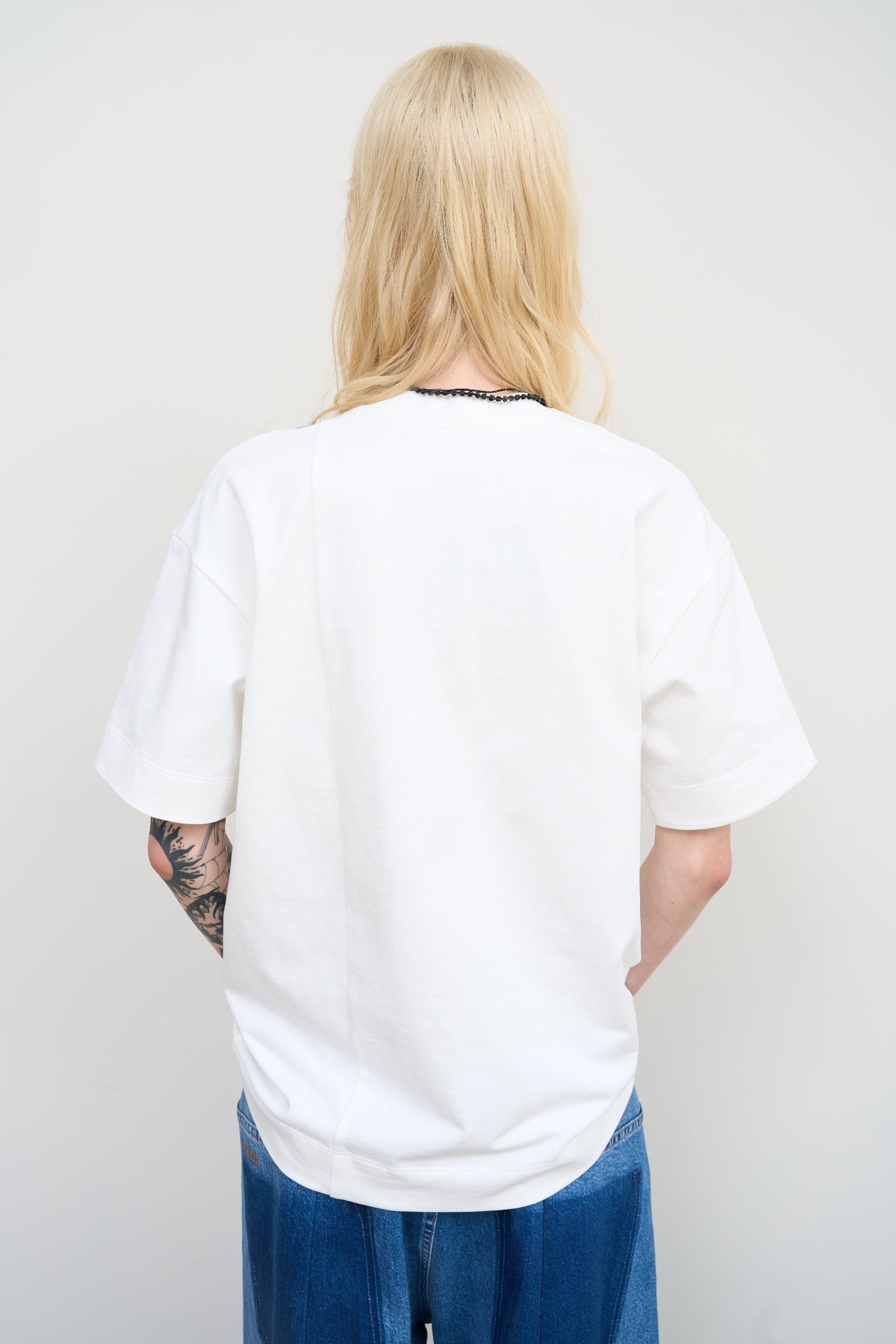
Designer T-shirts take a familiar shape in another direction. A second layer may cross the body, fall from one side or continue beyond the main hem. The result still feels recognisable as a T-shirt, although its proportions and movement have changed.
Vests and bustiers introduce a more structured, tailored line. Their defined construction can stand on its own or become part of a layered combination with shirts, jackets and knitwear.
Details That Transform the Silhouette
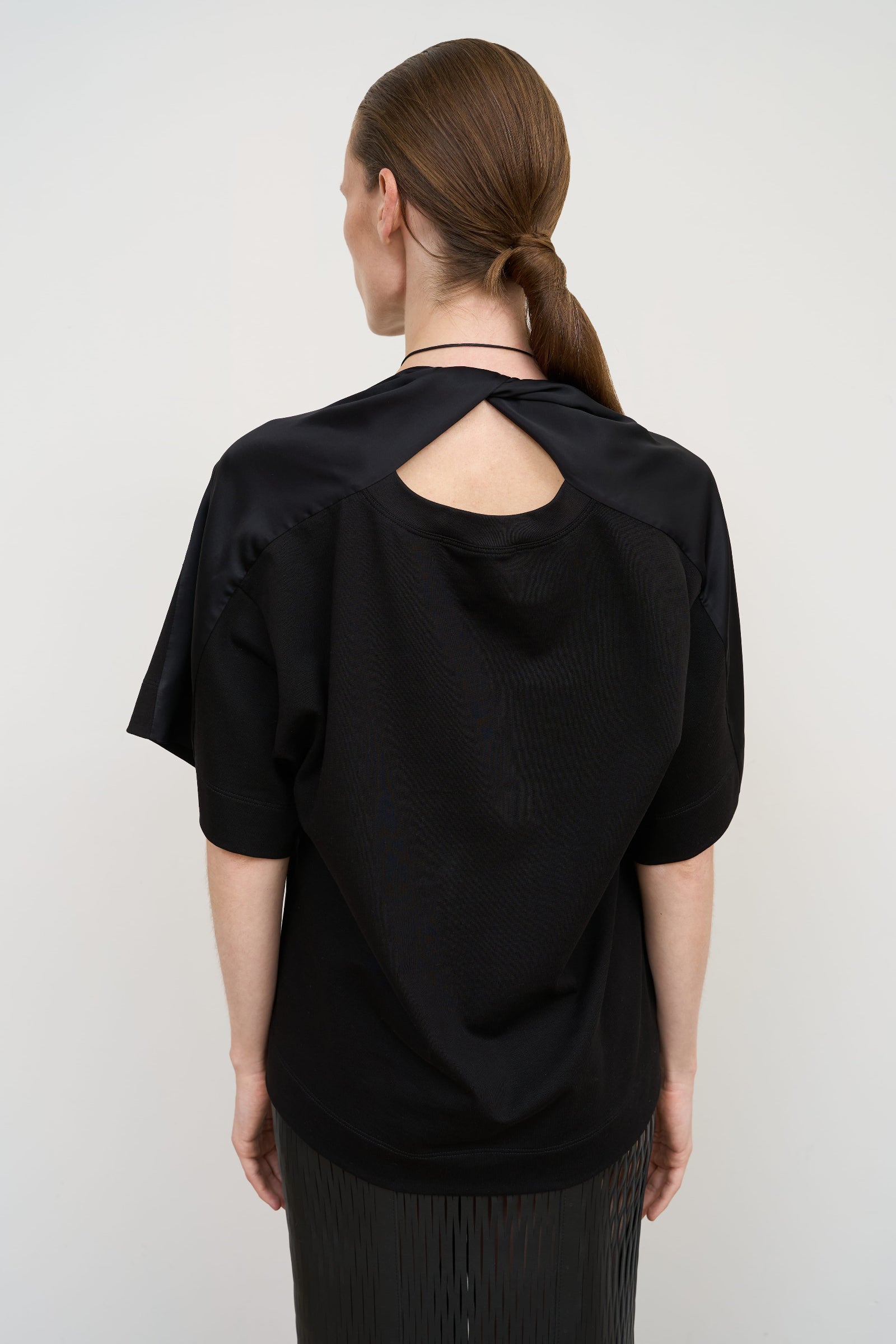
Small changes have a clear effect on the way tops sit on the body. A twisted neckline shifts the line around the neck and shoulders. Criss-cross straps open the back, while a halterneck draws attention upward. Reversible construction allows one piece to produce two different outlines.
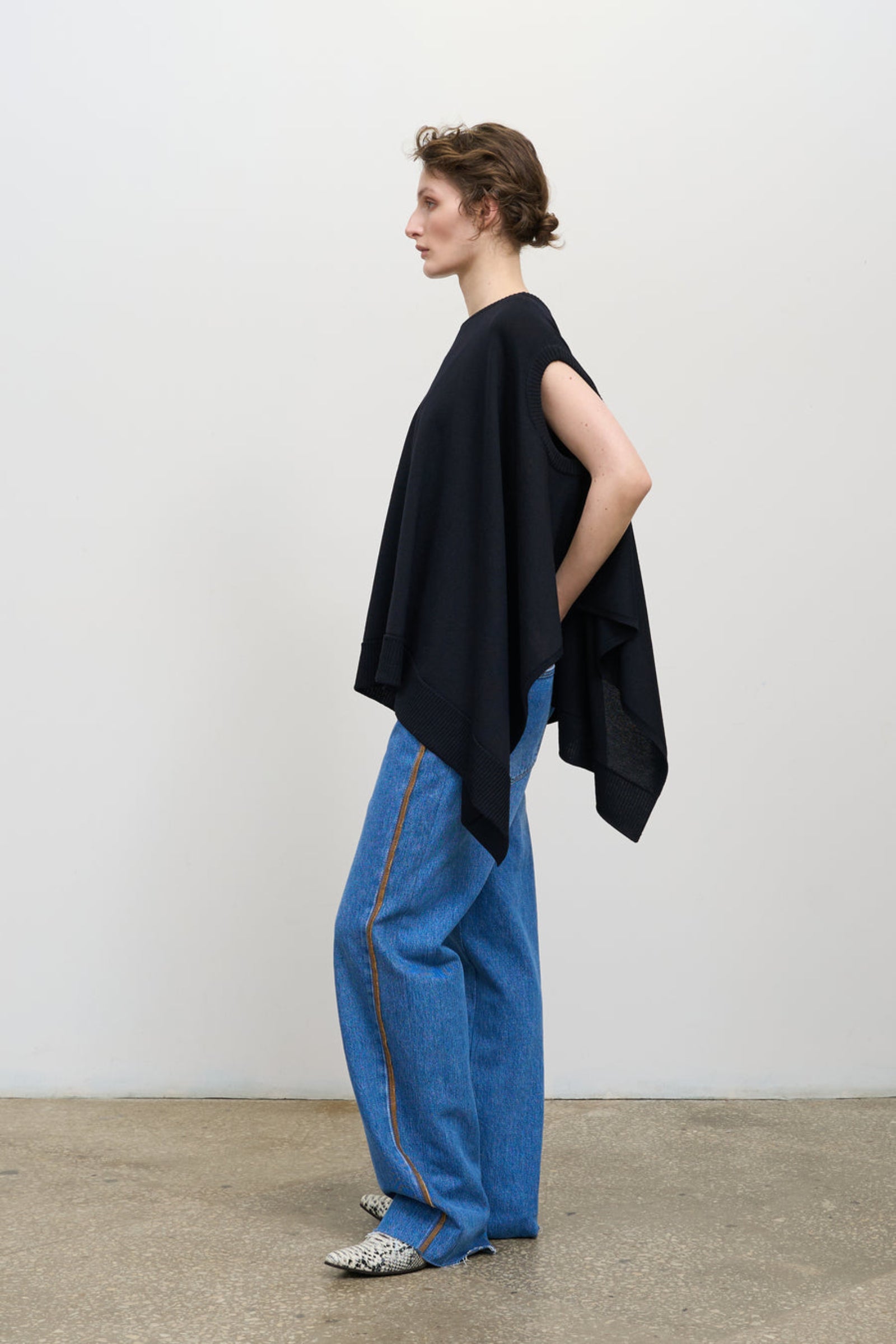
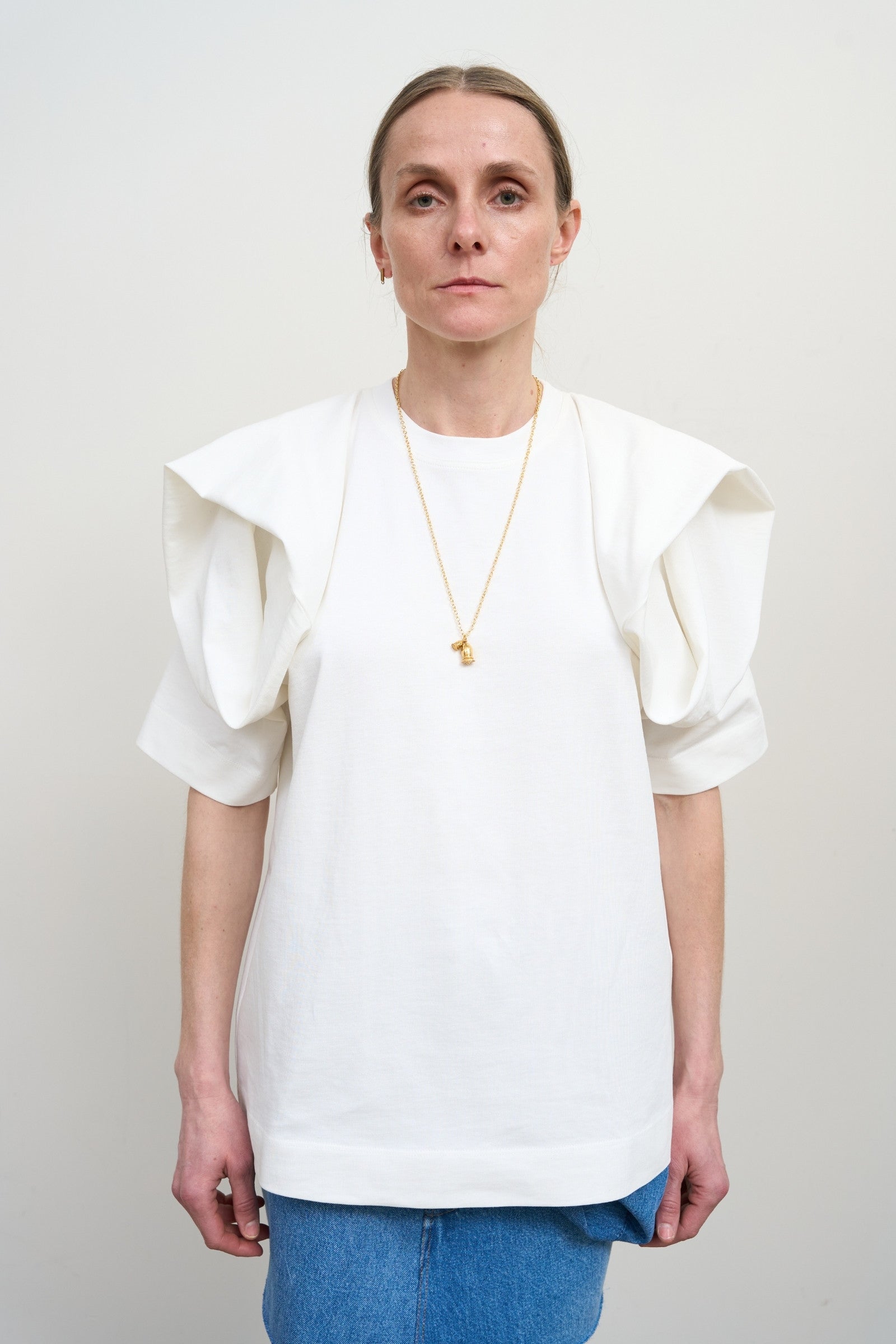
Draped sections create volume without making the whole top oversized. Asymmetric edges move the visual centre away from the middle of the body. Chiffon panels and cape-like overlays introduce movement around otherwise restrained cotton T-shirts.
Open shoulders, cutout sections and backless shapes reveal selected areas without feeling separate from the garment’s construction. They influence how the fabric falls, where the top holds its shape and how much of a lower layer remains visible.
Texture and Structure Across the Collection
The fabric changes how the cut looks and behaves on the body. Cotton gives T-shirts a familiar starting point and keeps altered seams or necklines easy to see. Knit fabric follows the body more closely, making asymmetric construction visible through the fit.
Denim adds a firmer outline to tailored tops and bustiers. Chiffon introduces transparency and movement, especially in layered sections. Wool creates more substance in cropped tops and vests, while leather gives deconstructed shapes a sharper surface.
Several materials may appear within one piece. A sheer panel can interrupt dense fabric, or a soft section can extend from a structured base. This contrast is part of the construction rather than a separate decorative element.
Styling Tops Through Contrast and Layering
Pronounced draping or asymmetry can be balanced with straight trousers, relaxed jeans or a skirt with a clean, defined shape. Fitted tops create another proportion beside wider trousers, full skirts or jackets with structured volume.
Cotton T-shirts create a quieter layer beneath a vest or jacket, but transformed details should remain visible. A shifted neckline can sit above the outer layer. A chiffon panel may extend below it. Reversible tops offer another option, changing the direction of the neckline or back without adding another garment.
Bustiers and cropped designer tops can be worn over shirts to build contrast between a precise upper shape and softer fabric underneath. Longer tops can appear below a short jacket, creating a deliberate break between the layers.
The choice depends on fit, length and the role the piece will play in the outfit. One may serve as a restrained first layer; another becomes the main shape around which the rest of the outfit is built.